
On this page
Why calibrate gas meters?
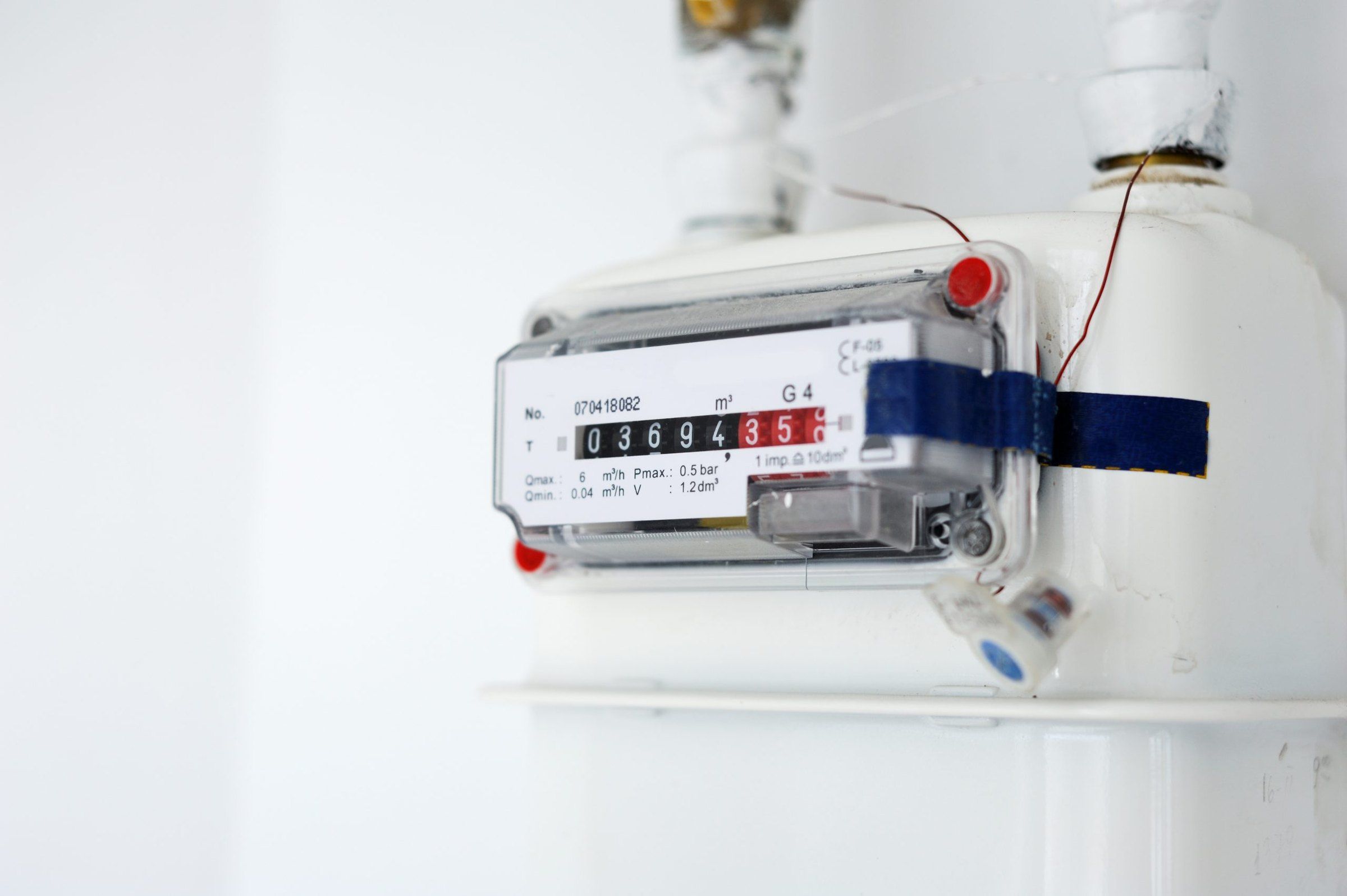
- Gas meters become inaccurate over time. The counter is set to show the correct volume when the meter is new, but ageing and chemical and physical effects make it read incorrectly.
- Pressure and temperature differ. The volume the meter shows applies at the pressure and temperature in the meter, which may differ from the conditions you calculate with. That is why the meter is calibrated in the configuration you use it in.
- Accredited laboratories require it. An accredited calibration certificate is valid for customers who require the calibration to be done by an accredited calibration laboratory, for example accredited testing laboratories.
How a gas meter is calibrated
In series with a reference gas meter
The gas meter is connected in series with a reference gas meter and a pump, furthest upstream or furthest downstream depending on how the meter is used.
Constant flow
A constant flow of air is drawn or pushed through the gas meter and the reference meter, and we read the volume that passes the gas meter in a set time.
Comparison
The volume is converted to a flow and compared with the reference meter's flow after correction for differences in pressure and temperature. That gives the correction factor.
Several levels
The same is repeated at a number of preset flow levels, and you receive an accredited certificate with a correction factor for each level.
Gas meters in a control unit
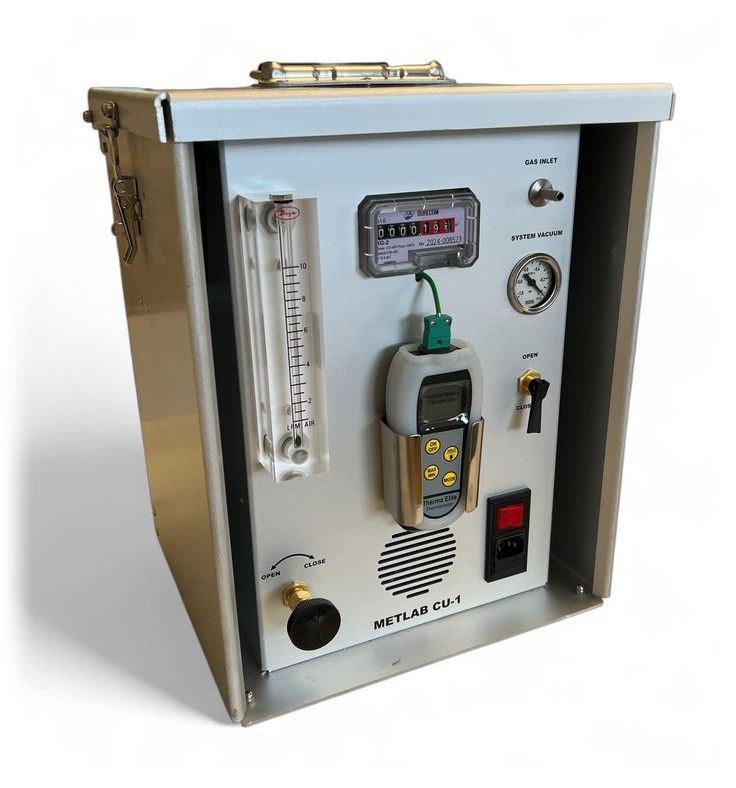
The gas meter should be handled the same way during calibration as in use, and that includes how pressure and temperature are defined. If the meter sits in a sampling control unit, we therefore prefer to calibrate it mounted in the unit: send the whole unit.
How often should gas meters be calibrated?
That depends on how much the meter is used, in what environment, which gases it is exposed to and how old it is. We normally recommend one to two years between calibrations. If the correction factor changes a lot from one calibration to the next, it is better to replace the meter.
Scope of accreditation
Our scope of accreditation from Swedac according to ISO/IEC 17025 lists the calibration as follows:
| Quantity | Range | Measurement uncertainty | Method |
|---|---|---|---|
| Gas flow (gas meters and gas flow meters) | 1–140 l/min | ±1.2 % | C7 |
Replace the gas meter, or calibrate more?
We supply gas meters of types G1.6, G4 and G6 in small and large quantities, with or without calibration.
-
 Product
Control units with gas meters
The CU-1 for wet chemical sampling has a built-in gas meter and flow meter.
-
 Calibration
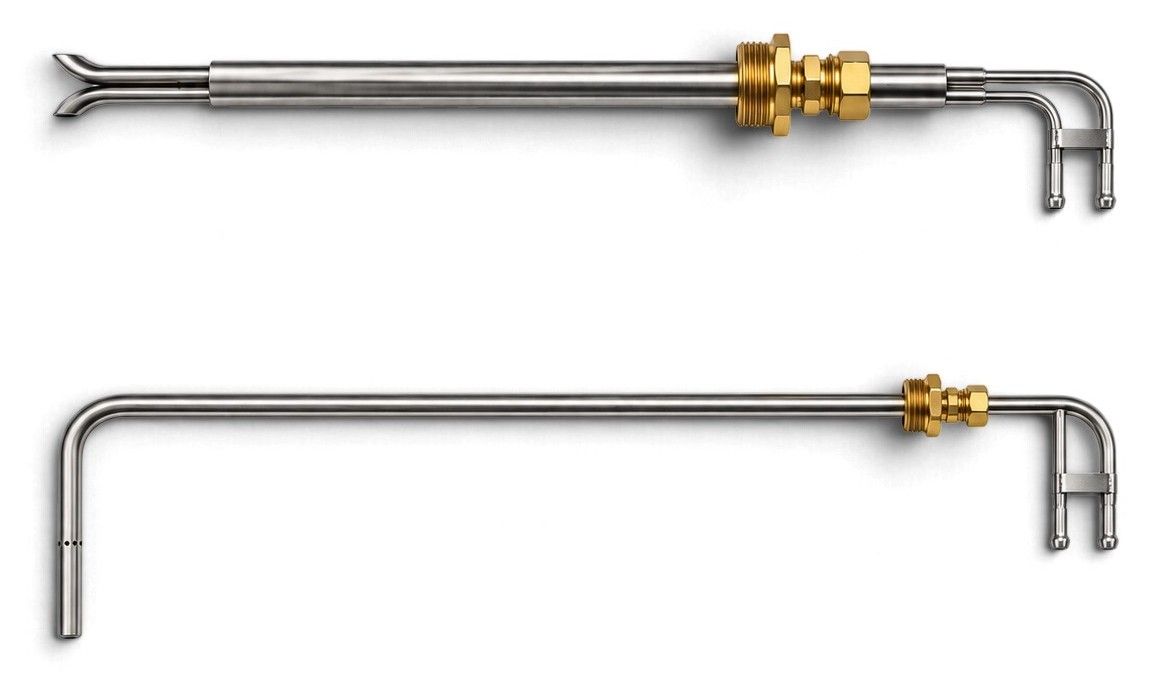
Pitot tube calibration
Accredited calibration of gas velocity with pitot tubes, 5–35 m/s.
Frequently asked questions about gas meter calibration
What result do I get?
An accredited calibration certificate with the gas meter's correction factor at each calibrated flow level, with its measurement uncertainty.
Do you calibrate gas meters from other manufacturers?
Yes. We calibrate gas meters and gas flow meters from any manufacturer, within 1–140 l/min.
Does the gas meter have to be sent in with its control unit?
Preferably, since the meter should be calibrated the same way it is used. Get in touch if that is not possible and we will find a solution.
Can I buy new gas meters from you?
Yes. We supply gas meters of types G1.6, G4 and G6, with or without calibration.